


In the aviation fuel industry, alongside operational standards such as JIG, the technical standards developed by the Energy Institute (EI) play a critical role in ensuring equipment performance and reliability. While JIG focuses on “how the system should be operated,” EI defines “what the equipment must achieve” to meet those operational requirements.
The Energy Institute (EI), headquartered in the United Kingdom, is an international organization that develops technical standards and guidance related to the energy sector, particularly fuel applications. In aviation fuel systems, EI standards are widely used to evaluate and control equipment quality, especially in fuel filtration applications.
One of the most important EI standards is EI 1581, which applies to Filter Water Separator (FWS) systems. This standard specifies detailed requirements for the removal of solid contaminants and free water from fuel. EI 1581 testing procedures are designed to simulate real operating conditions, ensuring that equipment can maintain stable performance within the demanding environment of aviation fuel systems.
 Filter Water Separator (FWS) systems complying with EI 1581
In addition to EI 1581, EI publishes many other standards related to equipment and components used in aviation fuel systems, including fine filtration, fuel quality monitoring, and static electricity control. These standards not only define technical requirements, but also provide testing methods, evaluation criteria, and inspection guidelines during operation.
The implementation of EI standards offers several important benefits. First, it helps ensure that equipment performs as expected, even under harsh operating conditions. Second, EI creates a common technical language among manufacturers, system designers, and operators, making equipment selection and evaluation more transparent and consistent. Finally, compliance with EI standards also supports inspection, certification, and acceptance requirements in international projects.
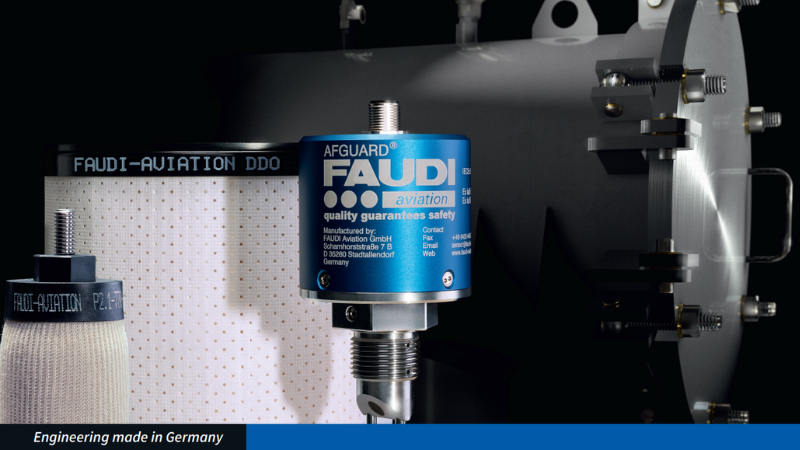
FAUDI Aviation fuel filtration systems
In practice, EI standards are commonly used together with JIG. While JIG defines operational requirements and quality control procedures, EI ensures that the equipment used possesses the technical capability required to meet those standards.
EI 1581 has been updated through multiple editions, with the latest being the 7th Edition (as of May 2026). These updates are intended to improve the reliability of Filter Water Separators (FWS) under real operating conditions while also reflecting changes in fuel characteristics and safety requirements.
EI 1581 7th Edition introduces stricter requirements for water separation performance and the ability to maintain efficiency across different fuel types, including Sustainable Aviation Fuel (SAF), which may exhibit characteristics different from conventional Jet A-1 fuel. As a result, this edition is increasingly becoming a key reference standard in new aviation fuel projects.
In summary, EI is not simply a collection of technical standards - it is the foundation for ensuring equipment performance and reliability throughout the entire aviation fuel system. Understanding and correctly applying EI standards is essential for building systems that are safe, compliant, and aligned with international best practices.
For official EI standards and publications, please visit the JIG website: https://energyinst.org/


