


The role of fuel filtration systems in airports
Aviation fuel filtration is fundamentally different from industrial filtration. While industrial systems are primarily designed to protect equipment and optimize operations, fuel quality in aviation fuel systems is directly linked to flight safety.
Even a small amount of fuel contamination - such as water or solid particles - can create serious risks. Water may lead to corrosion, microbial growth, or freezing at high altitudes, while solid contaminants can damage critical aircraft components. Therefore, aviation fuel filtration systems are essential to ensure safe operations.
Airport fuel systems operate under complex conditions with high flow rates and pressures. Fuel passes through storage tanks, pumping stations, pipelines, and hydrant systems before reaching refueling vehicles.
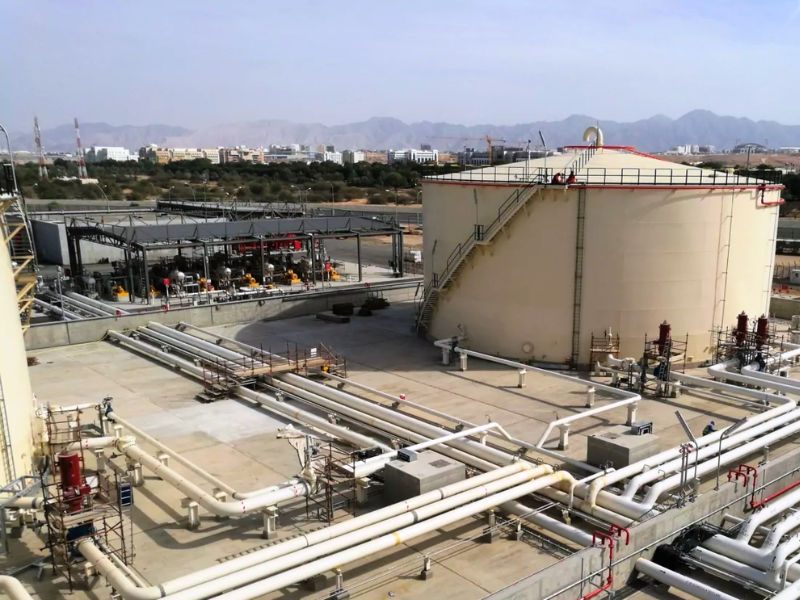
Aviation fuel system at Muscat Airport
At every stage of the process, the risk of contamination remains present. Water can enter through tank breathing or during transportation, while solid particles may originate from corrosion or accumulated impurities. In addition, fuel flow can generate static electricity, which must be carefully controlled.
Under these operating conditions, the Filter Water Separator (FWS) plays a critical role in maintaining fuel cleanliness and ensuring operational safety.
Technical requirements for aviation fuel filtration systems
An aviation fuel filtration system must meet several stringent technical requirements simultaneously. First, the system must effectively remove solid contaminants according to a specified filtration rating (micron level). Second, it must separate free water from the fuel. This is typically achieved through FWS technology, which combines coalescing and separation processes to remove water. Third, the system must ensure electrical conductivity and electrical continuity to control static electricity and minimize the risk of electrostatic discharge. Finally, all equipment must comply with international standards such as EI 1581 and JIG.
Among these, EI 1581 specifically defines the performance criteria, testing methods, and technical requirements for FWS used in aviation fuel applications, ensuring reliability and consistency.
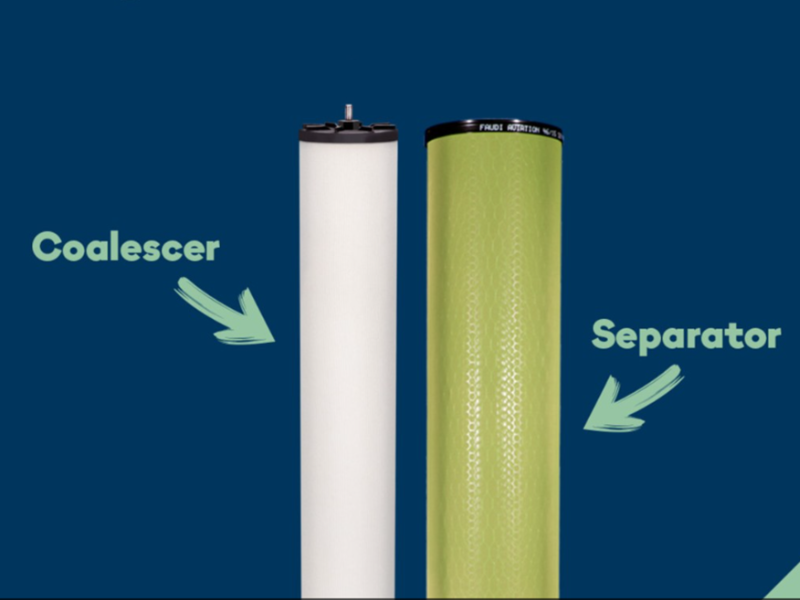
Faudi Aviation (Germany) coalescer and separator elements
Fuel filtration systems as critical safety infrastructure
One common mistake in airport projects is selecting filtration equipment based only on flow rate or cost, without fully assessing the risks of fuel contamination, operating conditions, and overall system configuration.
An effective aviation fuel filtration design requires a comprehensive approach: selecting the right equipment, properly integrating the system, and establishing a clear maintenance strategy. In aviation fuel systems, filtration is not an auxiliary component - it is part of the airport’s critical safety infrastructure.
Proven technology solutions
Due to the critical nature of aviation fuel filtration systems, operators typically prioritize solutions that have been proven in the field and comply with international standards such as EI 1581 and JIG.
High-quality Filter Water Separator (FWS) systems play an essential role in ensuring long-term performance and regulatory compliance. Products designed in accordance with international standards, such as those from FAUDI Aviation (Germany), are widely used in airport fuel systems around the world.
In addition to offering a wide range of FWS solutions for different applications - both commercial and military - and various system capacities, FAUDI Aviation also provides the AFGUARD® water sensor technology. This system enables real-time monitoring of free water content in fuel and sends alerts to operators whenever elevated water levels are detected.
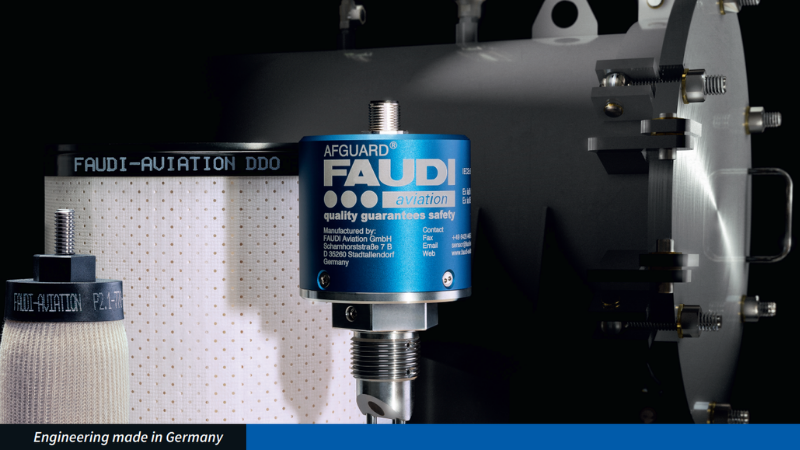
Faudi’s fuel quality control solutions
In the aviation industry, fuel filtration is not merely a process - it is a safety function. From contamination control to static electricity management, aviation fuel filtration systems play an essential role throughout the entire fuel supply chain.
As the aviation industry continues to evolve, particularly with the growing adoption of Sustainable Aviation Fuel (SAF), the demand for compliant and high-performance filtration systems will continue to increase.


